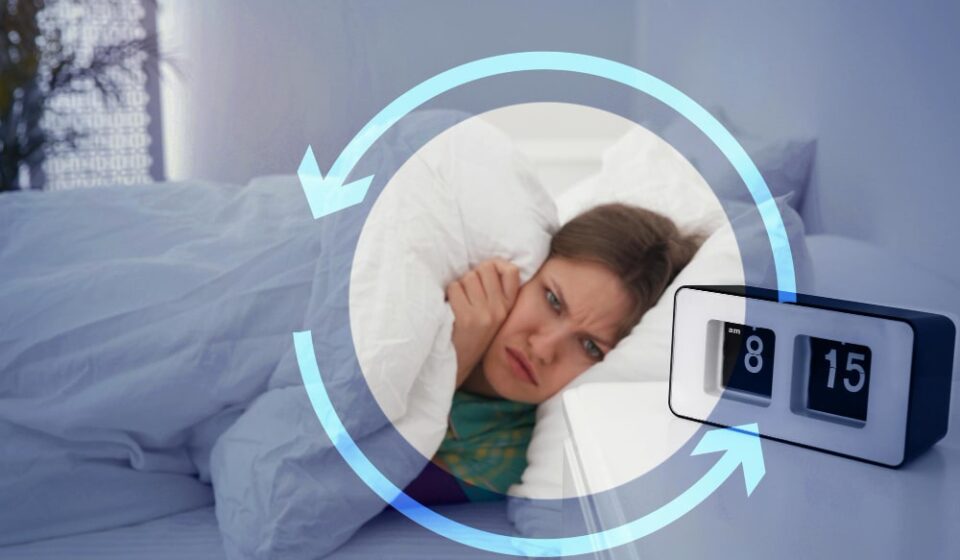
Huberman’s New Sleep Temperature Protocol Is Reducing Insomnia — Here’s the 2025 Breakdown

Summary (Above the Fold):
Dr. Andrew Huberman’s latest sleep update focuses on a simple but powerful tool: temperature control. In 2025, new human data shows that optimizing temperature timing can improve sleep onset by 20–40% and increase deep sleep.
Table Of Content
What’s New:
- Pre-sleep cooling increases melatonin production.
- Body temperature rhythm is now considered a “sleep gate.”
- Cold exposure timing must be adjusted to avoid blunting sleep.
Why Temperature Matters (H2)
Your brain needs a drop in core body temperature to fall asleep. Huberman explains that the body’s heat loss rate is one of the strongest biological signals for sleep.
Key mechanisms:
- Lowering core temperature → increases adenosine sensitivity
- Improves sleep latency
- Boosts deep sleep (SWS)
Huberman Protocol: Temperature for Better Sleep (H2)
1. Pre-Sleep Cooling Routine (90 mins before bed)
- Cool shower
- Cold face rinse
- Use cooling mattress topper if available
- Lower room temperature to 18–20°C (65–68°F)
2. Avoid Ice Baths Close to Bed
Cold plunges too close to bedtime delay melatonin.
3. Warm Feet Method
- Warm socks or foot bath
- Increases heat release → faster sleep onset
Actionable Takeaways (H2)
- Cool room = better sleep quality.
- No cold plunges within 2–3 hours of bedtime.
- Warm hands/feet to accelerate sleep onset.
- Track temperature + sleep with Oura/Whoop.
Disclaimer
This article provides general wellness information — not medical advice.